|
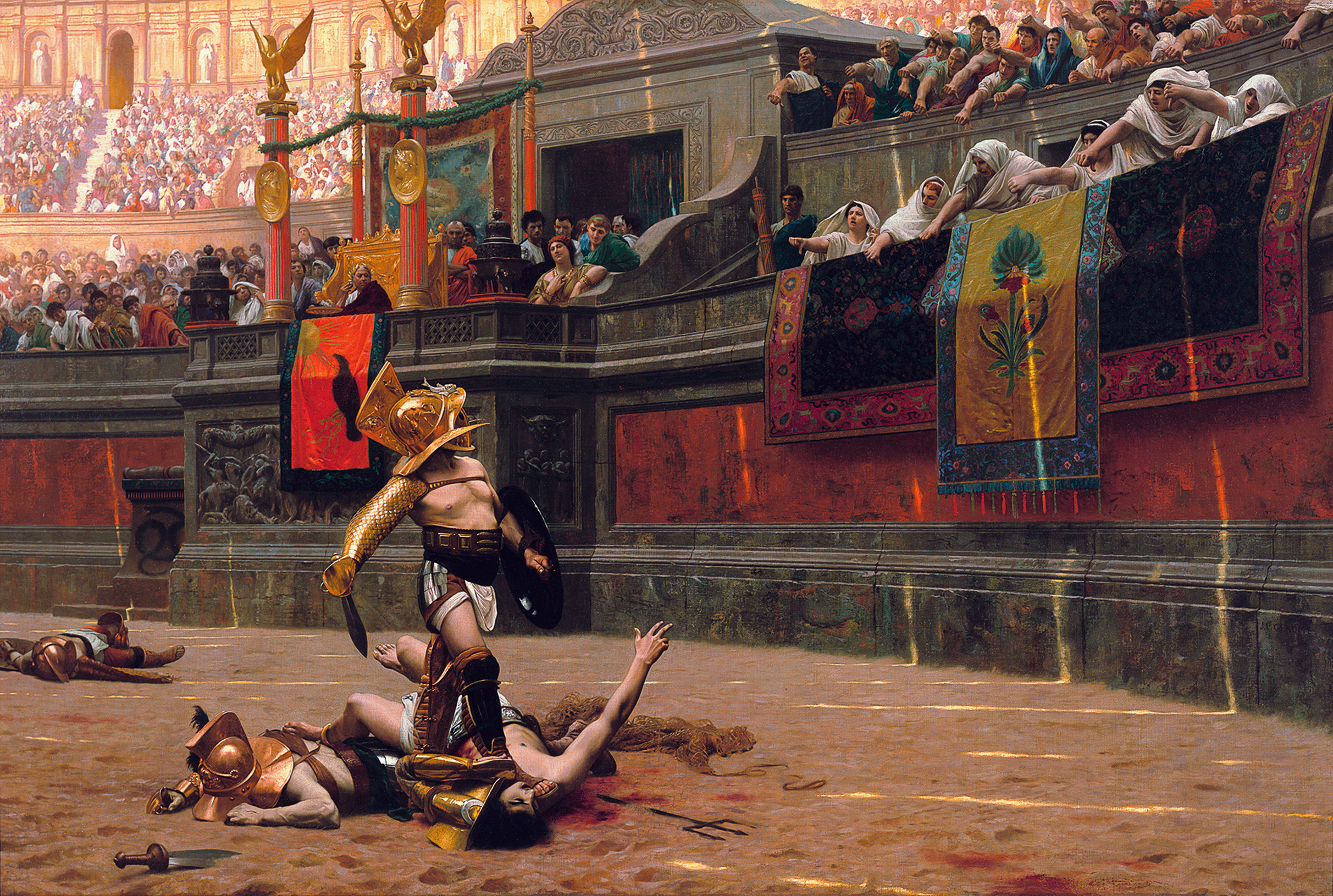
| "Candide fled as quickly as possible to another village." Candide witnessed the immense horrors of death in the aftermath of a war between the Bulgars and Abars. |
Voltaire's Candide, a satire following an overly optimistic man—Candide—through continual disasters, was immensely popular. In its first year, 20,000 copies were sold and 17 editions published across Europe. Its humor and criticism on the thoughts and authorities of the time were clearly welcomed by the public. People continue to debate how far the satire extends. Some think Voltaire's conclusion is that philosophy is useless, that to reach contentment you should just work and not think. Others think he merely pretends to be anti-philosophy, coming to the conclusion that you experience things, learn from them, and act on them, actually using philosophy to become active instead of passive and reclusive.
Voltaire's context
Voltaire was himself an active man. He fought (usually through writing and speaking with his powerful friends) against war and religious oppression. His hatred of both is evident throughout Candide, notably when Candide and his tutor, Dr. Pangloss, are severely punished simply for having an opinion on God that differs slightly from the Inquisitor's. Voltaire was after all a deist, believing God didn't influence the current world and that hierarchical religion was absurd.
Voltaire was greatly affected by the abuses of power and hypocrisy of government and religious leaders. In Candide all the characters have their own tragic backstories involving being enslaved, abused, and taken advantage of in one way or another. It seems Voltaire, through his own life events, came to believe that misery is the natural state of humanity; even if things do happen to go well, we then create our own misery. The characters, once they have been reunited and remain without abuse, even fantasize going back to their prior misfortunes over sitting in the contented boredom of their farm.