Showing posts with label books. Show all posts

Wednesday, December 5, 2018

Literature: By the Books?

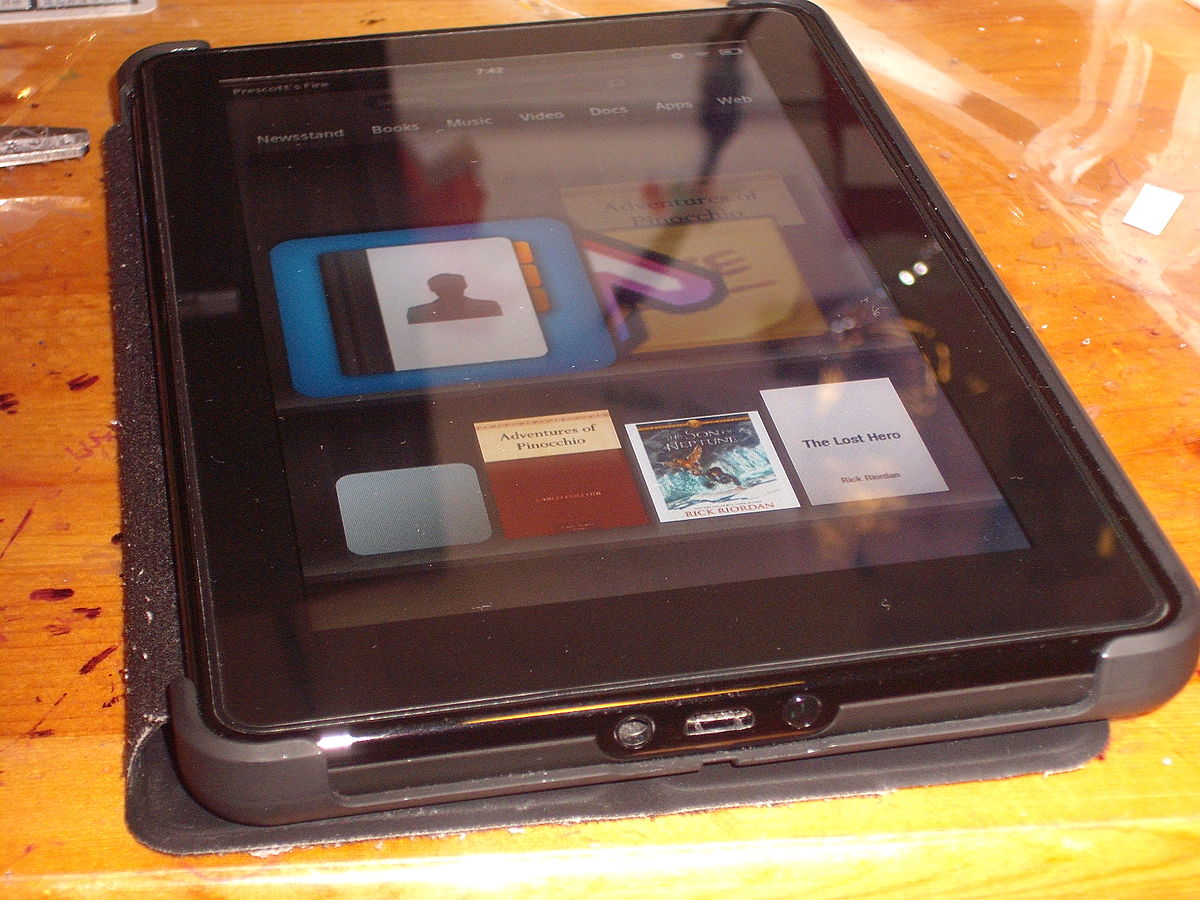
Does this even count as a book?

The definition of what we call "Literature" has been quite contentious in this past century. Thanks to (relatively) recent innovations in printing, coloring and digital downloading, new mediums to tell a story have cropped up like dandelions. In the past, the only three ways to tell a story were through oral tradition, books and the theater, and for over a millennia this is how it was. The invention of the newspaper changed that, however, as now stories could be printed piecemeal each week to get readers hooked onto an ongoing saga. After that came radio, movies, comics, and the face of Literature was forever destabilized as chaos took hold of it's image. This "Disruptive Innovation" broke all of the previous rules established in favor of finding stories in unlikely places.

These inventions have forced people in recent years to reevaluate what we consider to be "Literature", and though most agree that it only covers "Written Works" as defined by the Encyclopedia Britannica (see here for more details), that only really eliminates Radio, Movies and television broadcasts, as well as videos online. Comics are still considered a written work after all, the same with Manga, "visual novels", and even that topic that people are ever wary of: Fan Fiction. How are we supposed to take those things into account, how do we change our frame of reference, to include these different styles under the same umbrella that books or perhaps plays fall under?

You could liken the situation to the "Age of Exploration" from years past, but I disagree in that regard. In my view, the issue isn't that these new mediums haven't been explored to their full capacity, they have, it's just a matter of whether they count at all for the title. Just because a man discovers a new location in the sea does not make it a continent, it could easily be island that is all on it's lonesome.

Image Credit: "Amazon Kindle Fire" obtained via Wikimedia Commons

Same Discussion, Different Decade

I discussed in my previous post the troubles that the publishing world has to face in toeing the line between promoting free speech that might be poorly received or conforming to what the public wants at the expense of an author's voice. But let's be honest, this isn't a modern-day dilemma. Basically since the invention of the printing press, printers and publishers have face this problem. We can look back on those early conflicts and see that obviously the printers should have allowed more of their "controversial" books because they helped people learn to think for themselves. Today it doesn't seem as clear.

In the early years of the printing press it was common to have books on ban that were considered detrimental to faith or political loyalty. Even through the centuries we have many books now considered classics that were either banned or heavily challenged; Lord of the Flies,
Catcher in the Rye, To Kill a Mockingbird, and even Lord of the Rings have been challenged, burned, or banned at some point in time. It seems that as we grow in our understanding of the world and human nature, we are able to see the benefit in books that deal with more sensitive subjects, but the question still remains: are there books that take things too far?

The most recent topic of controversy in publishing occurred in 2015 when a publishing company made a book deal with an author that was known for his alt-right views and degrading speech. Many people thought that this author was too derogatory and hateful for any publisher to publish. Finally, after a public comment from the author about pedophilia, the publisher pulled the plug. It seems that not only are books being censored but authors as well.

So the conflicts stands. Are there things that publishers should be censoring, or is it the responsibility of the reader to decide what is appropriate or not?

image credit: public domain images via Wikimedia Commons

Thursday, October 18, 2018

Figuring Out The Moonstone

               The Moonstone by Wilkie Collins is categorized under the detective mystery genre. I am about to begin reading it to better understand the emergence of novels that came from the Enlightenment era. I am under the impression that it is an epistemological book, which means that is it is largely made up of letters from different people, combined to make up a storyline that can be followed.
The clock, the paper, and the writing tools each relate to the
emerging mystery and epistemology genre

I believe this will relate strongly to the Republic of Letters as the mystery is publicized about the stealing of the diamond and rumors begin to flow. I would not be surprised if this book changes a frame of reference. Stories in the enlightenment age were rarely told from a conglomeration of letters. This provides a different form of literature that casts a new light on the way stories can be told. It also relates to this era as the order the letters are written, sent, and received could greatly affect the content of the plot. This relates strongly to the clockwork universe that begins to surface. Timing can make all the difference in the content of the novel. Will it be a chronological list of letters or will it be letters written by observers long after the events have taken place?

This epistemological genre of The Moonstone intrigues me as it relates to a part of my life. I lived for two years in Quebec and Ontario as a volunteer missionary for my church. To remain focused on my work, I would only write an email or letter home to my family once a week to let them know how I was doing and what events had transpired. Many times, we would be helping people to overcome addictions or trials in their lives and I would have the chance to tell my family all about their progress. However, a lot can happen in a week and so the story of my experiences was always progressing as each week would pass. 

This book seems to contain several enlightenment themes. I have learned that this is one of the first mystery books written and I will likely set a precedent for the genre. 

Image credit: Still Life by Mozlase__, licensed under CC 2.0 by Pixaby

Friday, September 28, 2018

On progress within the Common Man's written world

A Gift from that God who watches over us

On Progress Within the Renaissance Man's Written World

Before the advent of the Printing Press within the 15th century, the average man was largely reduced to the spoken word, as he was not literate, and even if for some odd reason he was there were almost no books for him to read. Only the local clergy as well as collegiates had the knowledge and resources to be able to read and study anything in any capacity. With Johannes Gutenberg's invention of such around 1439, however, several drastic shift began, the most greatest of which are the heightening of literacy in the general public and the reduction of trust placed on the Clergy as the representatives for the people in the eyes of God.

Saturday, September 15, 2018

The Internet and the Printed Word


When the printing press was invented in the mid-1400's, it had a major impact on the accessibility of information through the written word. Prior to this, the process of making books was quite tedious and difficult, making them rare and only obtainable by the economic elite. With the printing process now easier than ever, more copies of books were put in circulation and the information they held could now be discovered by the peasants and commoners.


In the modern era, books are more prevalent than ever. From factual to fantastical, there is no end to the amount of stories and findings being put to print. However, books may possibly be under threat with the rising popularity of the internet. With information and entertainment just one click away, many are turning away from books in favor of online articles and social media.

Does Increased Availability Always Mean Decreased Value?

A book printed by the Gutenberg printing press
The printing press is easily one of the most influential inventions of the renaissance, if not of all time. It allowed for works to be copied quickly and distributed to people so that for the first time, regular people had access to information that was typically only shared with religious leadership or the socially elite. The printing press allowed for new ideas to be spread quickly, and it leveled the playing field by giving access to printed materials to everyone. Fast forward to today, thanks to the printing press, the internet, smart phones and a plethora of other inventions, we quite literally have huge libraries of information at our fingertips. If someone wants to know something now, they don't even have to type it out, they just ask Siri or Alexa.

The line outside the Supreme story in New York City
Over the summer I took a class on persuasion. In that class we discussed several different techniques to persuade people to buy things, see our opinions or just straight up convince them of something. We discussed the principle of scarcity in terms of purchasing. The principle of scarcity goes something like this: The less there is of something, the more people want it.  The brand Supreme, is successful because they only make a certain amount of clothing items when they release a new collection. People wait in line for hours before the store opens just to get in their to purchase an overpriced t-shirt, that no one else will have. It's madness and total brilliance.

If value is increased by how inaccessible something is, that must mean value decreases as accessibility goes up. After the printing press, information became accessible, and it has only gotten increasingly more accessible with the inventions mentioned previously in the last 30 years or so. Information is everywhere. There were men and women who died in order for us to have access to certain information. So here's my question, if we want something to be highly valued, is the best way to do it making it scarce? To take this further, do you feel that some things are less valuable because they are so easy to get to and if so how can we reverse that to see their importance and value?

image credit: Book https://www.dkfindout.com/uk/more-find-out/special-events/how-is-book-made/
image credit: Supreme NY store lineup https://www.highsnobiety.com/2015/08/20/supreme-fall-winter-2015-new-york-line-up/