Showing posts with label Changing Frames of Reference. Show all posts

Wednesday, December 5, 2018

Literature: By the Books?

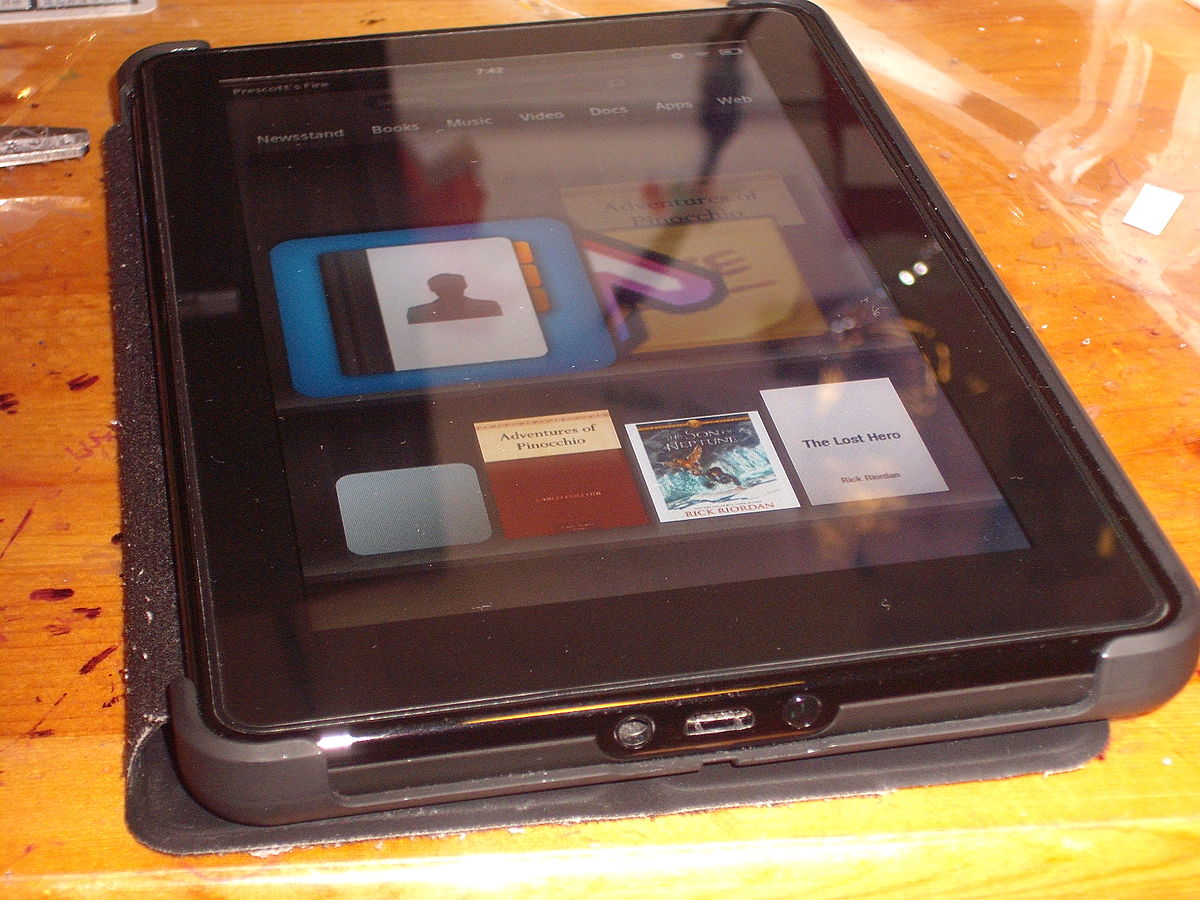
Does this even count as a book?

The definition of what we call "Literature" has been quite contentious in this past century. Thanks to (relatively) recent innovations in printing, coloring and digital downloading, new mediums to tell a story have cropped up like dandelions. In the past, the only three ways to tell a story were through oral tradition, books and the theater, and for over a millennia this is how it was. The invention of the newspaper changed that, however, as now stories could be printed piecemeal each week to get readers hooked onto an ongoing saga. After that came radio, movies, comics, and the face of Literature was forever destabilized as chaos took hold of it's image. This "Disruptive Innovation" broke all of the previous rules established in favor of finding stories in unlikely places.

These inventions have forced people in recent years to reevaluate what we consider to be "Literature", and though most agree that it only covers "Written Works" as defined by the Encyclopedia Britannica (see here for more details), that only really eliminates Radio, Movies and television broadcasts, as well as videos online. Comics are still considered a written work after all, the same with Manga, "visual novels", and even that topic that people are ever wary of: Fan Fiction. How are we supposed to take those things into account, how do we change our frame of reference, to include these different styles under the same umbrella that books or perhaps plays fall under?

You could liken the situation to the "Age of Exploration" from years past, but I disagree in that regard. In my view, the issue isn't that these new mediums haven't been explored to their full capacity, they have, it's just a matter of whether they count at all for the title. Just because a man discovers a new location in the sea does not make it a continent, it could easily be island that is all on it's lonesome.

Image Credit: "Amazon Kindle Fire" obtained via Wikimedia Commons

Thursday, October 18, 2018

A shift in the meta: Dracula as a sign of changing times

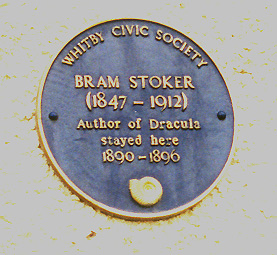
It was apparently VERY important that Bram Stoker stayer there once.

In a modern day context, Dracula is one of the most well icons in the current culture, numerous works of fiction have either included him or referenced him at some point. His presence is practically impossible to avoid when even mentioning the word "Vampire" and has become as synonymous with the term as King Arthur with "Knights". Of course, many people also know by now that the real-life Dracula, Vlad the Impaler, was not an actual vampire, but the association is ironclad at this point. I myself knew about "Dracula" long before I ever heard the name "Vlad Tepes", and I have no doubt that for all reading this, it was the same way with you.

"Dracula" was written by Bram Stoker and published in 1897, on the cusp of the 20th century. It was the founder of many Horror tropes still used to this day, and can actually be considered one of the most famous examples of "Zombie Horror" in literature (Albeit intelligent zombies, but the point still stands). It tells the tale of an undead creature in the guise of a man named Count Dracula who seeks to spread his "disease" to all the people of England, and how his efforts are ultimately thwarted by a small group of extraordinary gentlemen (and Mina, she's important too). This story of ordinary people trying their best to thwart a large supernatural creature created a new sub-genre of the trope of "Knight versus Dragon", namely that man who accomplishes with wits and integrity that which required his predecessors divine or magical intervention.

Of course, what exactly does Dracula represent as a symbol (that is the point of this post, right)? As Tanya Pikula points out in her paper "Bram Stoker's Dracula and Late-Victorian Advertising Tactics", Dracula is a social predator, a literal "consumer" of women, and the only women in the novel who get turned by him are those girls who deviate from the Victorian Ideals of the time: Soft-spoken, motherly and submissive to their spouses. To this end, Dracula is "the enabler", the one who leads those astray further off the path. He could also be seen as a literal avatar of the changing times, with promiscuity on the rise and crime emerging from the underground. He was the rockstar of his era, the "Bad Boy" that we see so much in television, and an omen of times to come.

Image Credit: "Bram Stoker Commemorative Plaque" obtained via Wikimedia Commons