
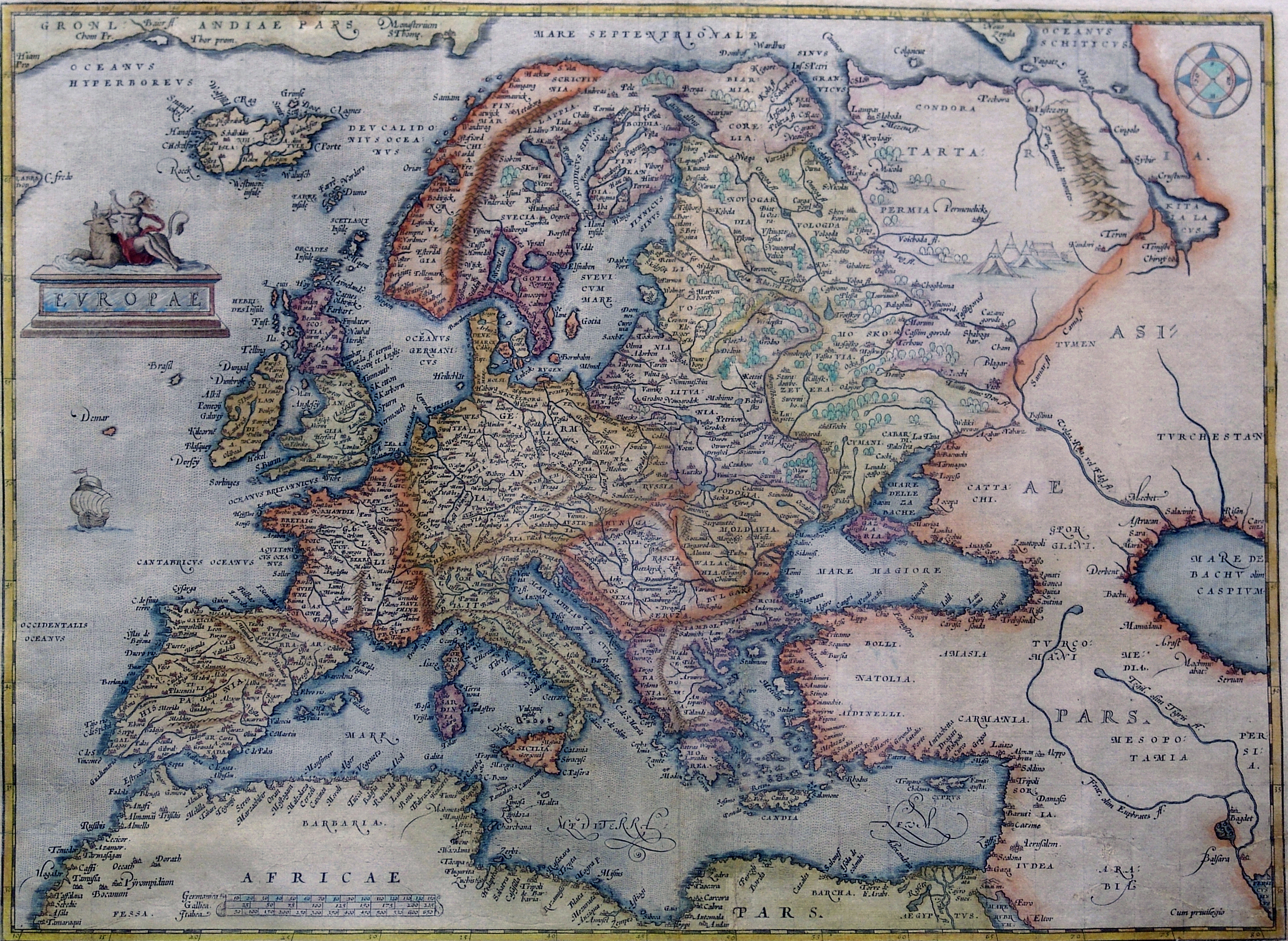
Like an overcrowded house, there are problems that arise when too many opinions live too close to each other. Conquerors, usurpers, and religious figureheads have vied for power in Europe for millennia. Rarely, however, did these wars involve several countries at once, and rarely did they combine international war with civil war.
The Protestant Reformation was so potent because of the Causes it espoused. Unlike the religious propaganda that convinced even lukewarm Christians to join the Crusades in the eleventh to thirteenth centuries, the Reformation made things personal. No matter how much a Dark Ages Christian valued Jerusalem, the Holy City was far away from his family, lands, and life. When the struggle began between the Catholics and Protestants, individuals turned against their families, families against their communities, communities against their governments, and governments against other nations. The result? Centuries of war all across Europe, a ravaged continent, and over ten million in deaths.
While hindsight can help us validate the Reformation and the sixteenth century's glorious rejection of religious oppression, it can also elucidate exactly why the movement wreaked so much havoc. When dozens of countries and empires in close proximity start fighting over a cause so personal, so potent, so motivating, and so destructive as religious loyalty, disaster is virtually inevitable.
https://commons.wikimedia.org/wiki/File:Abraham_Ortelius_Map_of_Europe.jpg
