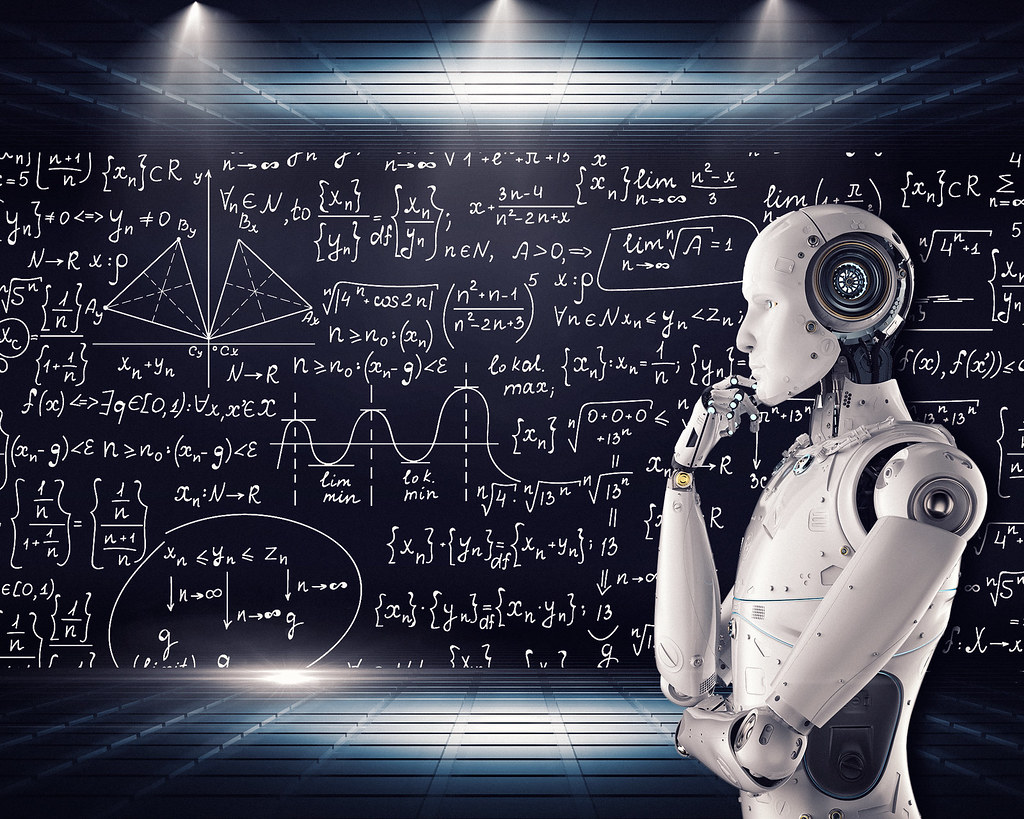
- Artificial Intelligence
In a number of areas, artificial intelligence is considered to have surpassed humans in proficiency (including but not limited to mathematics, language translation, or even chess). As AI's become smarter than humans in more areas, are programmers sure that they will still be able to fully comprehend and control the things the AI does? What if a dangerous and powerful machine understands a general command we give, but not the intention we have in giving it? (See "Benefits & Risks of Artificial Intelligence")
- Cybersecurity
Anything networked can be hacked, and while networking things such as traffic lights, fridges, or cars can make systems far more effective in many ways, we also open the door to hackers in very real and dangerous ways. In 2015, some hackers wirelessly took over the electronic systems in a Chrysler Jeep, gaining control of the dashboard functions, the steering, the transmission, and even the brakes. How can we keep so many objects in so many homes completely safe from attacks? (See "Manufacturers Remain Slow to Recognize Cybersecurity Risks")
- Internet Censorship
Censorship has been a hot topic for hundreds of years in many fields, but few (if any) innovations have enabled the free exchange of knowledge like the internet. It can be incredibly helpful to have worlds of information at our fingertips, but the internet also bypasses several economic, political, and social boundaries as a medium of communication and knowledge. And while governments have too much influence and too little understanding to truly fix any of these problems, programmers are left to try to manage a flood of data larger than the world has ever seen and hope it doesn't drown us. (See "Everything You Need to Know About Europe's New Copyright Directive")
Of these issues, censorship is arguably the most difficult problem to solve. Different countries have different standards and rules, but the internet has no rules and no international boundaries. How can we control something that lives in a world of its own? How can we apply time-tested solutions to problems that don't follow the rules--where anything can be duplicated and shared over any distance? We can already see the effect the internet's freedom has had on American politics, but what effect will it have in the future on international relations?
Image Credits: Image via www.vpnsrus.com
Image Credits: Image via www.vpnsrus.com